
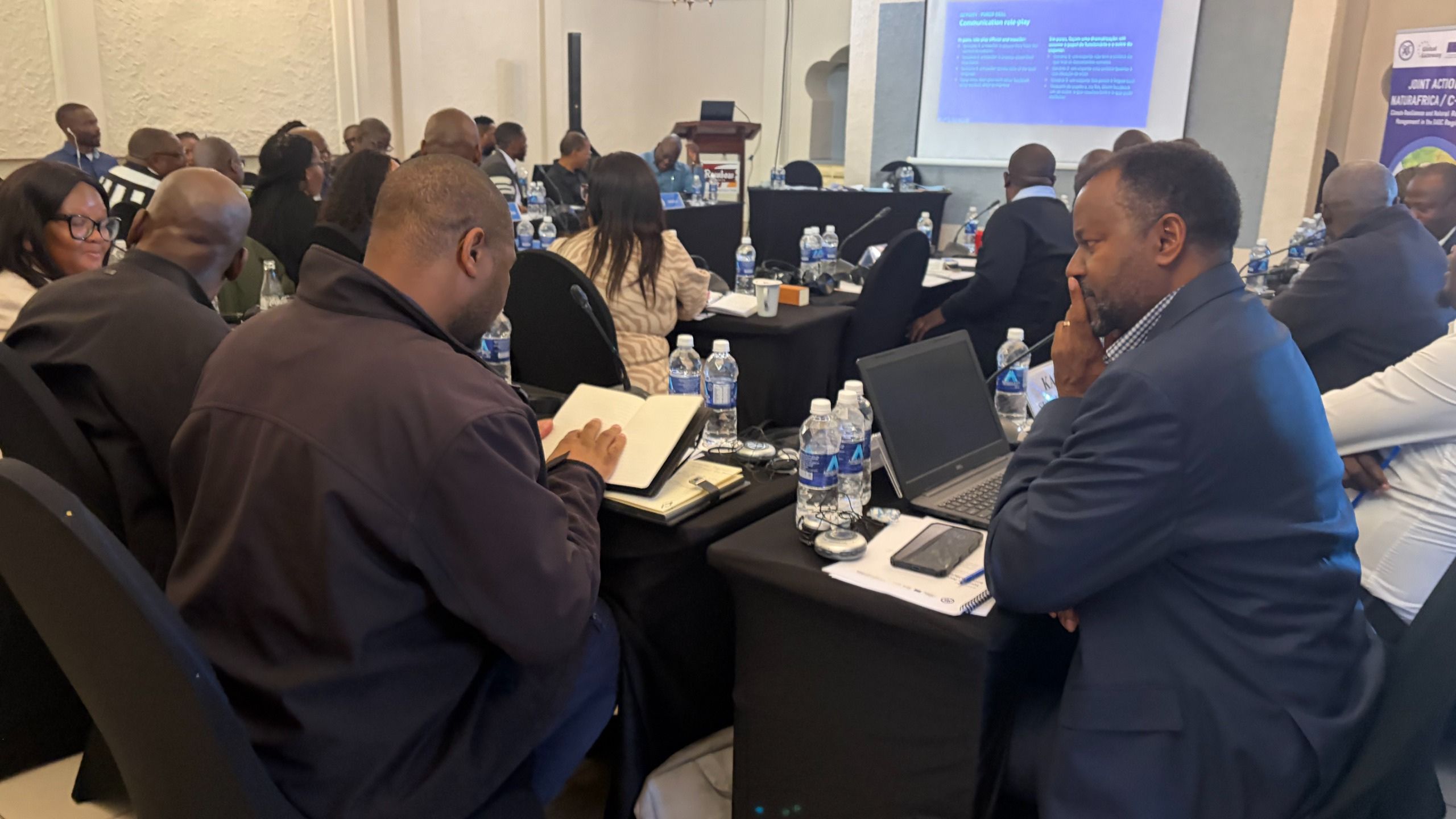
More than 50 stakeholders from the police, immigration, customs and health authorities across the Kavango Zambezi Trans Frontier Conservation Area (KAZA) took part in a two-day workshop in Victoria Falls, aimed at strengthening the visitor experience at the region’s border crossings.
The workshop was convened by the SADC Secretariat and brought together senior personnel from the five partner states, Angola, Botswana, Namibia, Zambia and Zimbabwe, alongside representatives from South Africa in its current capacity as SADC chair.
On the second day, the Southern Africa Tourism Alliance (SATA) delivered its Tourism-Focused Customer Service Training for Border Officials. SATA piloted the course through a train-the-trainer programme in 2024, building a facilitator curriculum, delegate manuals, and role-plays drawn from real border scenarios.
The training was delivered in support of the SADC Tourism Programme 2020-2030, which aims to build a sustainable regional tourism industry and reduce the non-tariff barriers that slow travel between member states. Victoria Falls holds a key position as a gateway to the Kavango Zambezi tourism circuits, where many itineraries cross several national borders. The training recognised that effective border management balances security with empathy, enabling stakeholders to respond professionally to the diverse needs and expectations of travellers.
“Every visitor’s experience begins with the people they encounter on arrival,” said Natalia Rosa, SATA tourism project lead, who facilitated the workshop in Victoria Falls. “For many, the border provides both the first and last impression of a destination, making these stakeholders the gatekeepers of our regional reputation.”
While border officials are primarily recognised for safeguarding national borders, the programme recognised their equally important role in representing the region to visitors. Sessions covered verbal, non-verbal and cross-cultural communication, alongside practical conflict de-escalation techniques for those working in pressured situations. Throughout the training, participants explored how customer service strengthens effective border management without compromising security.
The training also highlighted the wider role tourism plays in supporting the SADC region’s economies. Every visitor who crosses the border supports a network of accommodation providers, restaurants, guides, transport operators and attractions. Participants were encouraged to recognise that the welcome visitors receive at the border can influence whether they return, recommend the destination or choose to explore more of the region in future.
“One of the programme’s greatest strengths was bringing together the people who lead border operations across the region,” Rosa said. “By building a shared understanding of the dual role border stakeholders play as custodians of national security and ambassadors for the region, participants can reinforce that approach within their own teams. That consistency benefits travellers, supports effective border management and strengthens regional tourism.”