
Air access study, a visa harmonisation pilot and cross-border product development advance the SADC Tourism Programme 2020–2030’s ambition to exceed global tourism growth by 2030
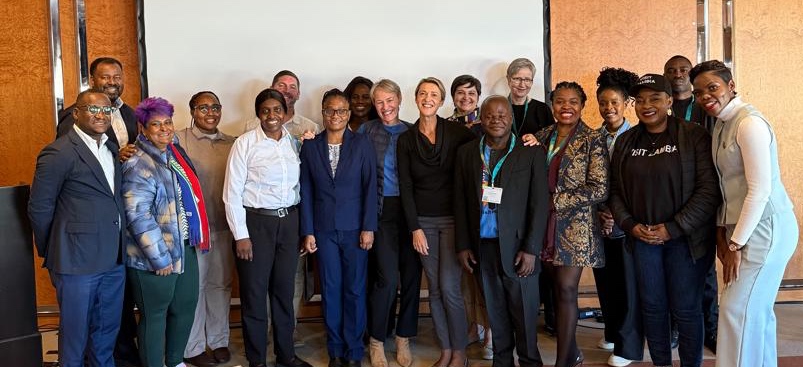
As Angola took centre stage as the Official Host Country of ITB Berlin 2026, the Southern African Development Community (SADC) Secretariat convened a stakeholder gathering to report on implementation progress under the SADC Tourism Programme 2020–2030.
The programme, supported by the German Government and the European Union and implemented by Deutsche Gesellschaft für Internationale Zusammenarbeit (GIZ) GmbH, provides a coordinated regional roadmap for sustainable tourism development across the 16 SADC member states.
The session brought together representatives from SADC member states, and delivered evidence that measurable progress is being made on three fronts: visa harmonisation, air access, and cross-border product development.
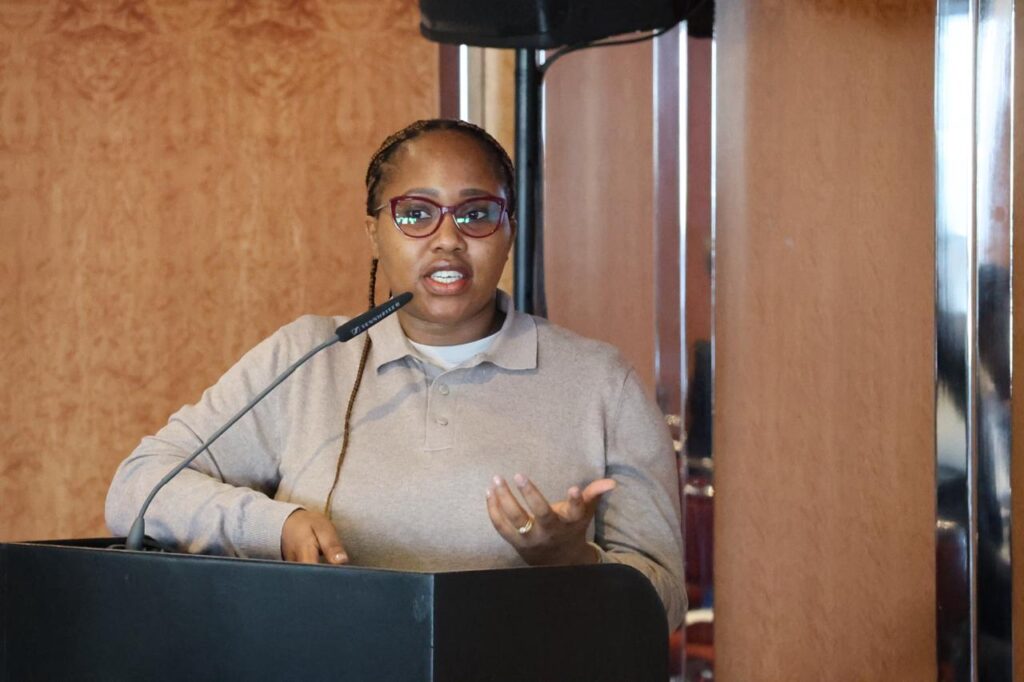
“Regional cooperation remains central to unlocking tourism’s full potential as a driver of inclusive growth, employment and environmental stewardship across Southern Africa,” said Marygoreth Mushi, Programme Officer for Policy and Market Development, SADC Secretariat.
Air access study charts course for improved regional connectivity
Mushi reported that an Air Access Study has been completed and submitted for ministerial review. The study, which feeds into the Air and Road Access Improvement Programme, identifies the slow pace of Single African Air Transport Market (SAATM) implementation as the region’s primary structural constraint, alongside high aviation taxes, insufficient regional and intercontinental routes, and inadequate infrastructure.
Its recommendations include fast-tracking SAATM adoption, harmonising aviation-related taxes and charges, and coordinating infrastructure investment across member states.
“We all understand that tourism might not have a direct mandate over air transport, however it is highly affected,” Mushi noted, explaining the study’s centrality to the region’s broader tourism ambitions.
The Southern Africa Tourism Alliance (SATA), which represents tourism associations across the SADC region, confirmed its role in operationalising the study’s findings once approved: translating ministerial-level recommendations into practical on-the-ground improvements through its private sector networks.
SADC UniVisa pilot delivers cross-border travel progress
Mushi reported substantial progress on the SADC Tourism UniVisa pilot, now operational across Angola, Mozambique, Namibia, South Africa and Zimbabwe. The ICT architecture for immigration systems, legal frameworks and revenue sharing models have been implemented and benchmarked against the KAZA UniVisa and East African Tourism Visa. A Tourism-Focused Customer Service Training Programme has also been developed for immigration and border personnel, designed to balance security requirements with visitor experience.
SATA has supported delivery of these frameworks through its member networks, including border management training at the Kazungula crossing connecting Botswana and Zambia and a pilot train-the-trainer programme for disaster risk management officials in ministries and national tourism organisations.
Cross-border integration advancing through Transfrontier Conservation Areas
Nick Tucker of Boundless Southern Africa, working with the SADC Secretariat on tourism market development across Transfrontier Conservation Areas, underscored the practical significance of reducing cross-border friction. “Nothing makes regional integration tangible like a functioning cross-border tourism experience. Every time we reduce friction, we increase competitiveness,” Tucker said.
2030 targets
Mushi outlined the programme’s central objective: to ensure that by 2030, cross-border multi-destination tourism in Southern Africa exceeds the global average growth rate. The session reinforced that the partnership model – uniting government, private sector and conservation stakeholders under a shared framework – provides the institutional architecture to deliver on that commitment.
The session was chaired by Shamilla Chettiar, Acting CEO of SA Tourism, who noted that relationships are foundational to how the sector functions: “We all want tourism to work. We collaborate with each other in order to compete.”